
Who's most at risk
Anyone can be affected by heat, but some people get into trouble much faster. Keep an extra eye on:
- Adults aged 65 and over
- Babies and young children under 5
- People with heart or breathing problems, diabetes, kidney disease, Parkinson's, dementia or limited mobility
- People who are pregnant
- People taking certain regular medicines (more on that below)
- People living alone, and anyone who works or exercises outdoors
If you have an older neighbour, relative or friend in one of these groups, a quick check-in during a hot spell genuinely matters, and it's often a phone call that spots a problem early.
Keep cool, keep hydrated
The basics do most of the work:
- Keep the sun out. Close curtains and windows on the sunny side of the house during the day, and open up when the air outside feels cooler (usually overnight).
- Find the cool room. Move to the coolest part of the home, especially for sleeping. A fan can help when it's below 35°C, but don't aim it straight at you for long periods.
- Avoid the peak. Stay out of direct sun between 11am and 3pm, when UV is strongest. Plan walks, jobs and exercise for early morning or the evening.
- Drink regularly. Water or diluted squash through the day, and don't wait until you're thirsty. Pale, straw-coloured urine is a good sign you're topped up. Go easy on alcohol and very sugary drinks, which are dehydrating.
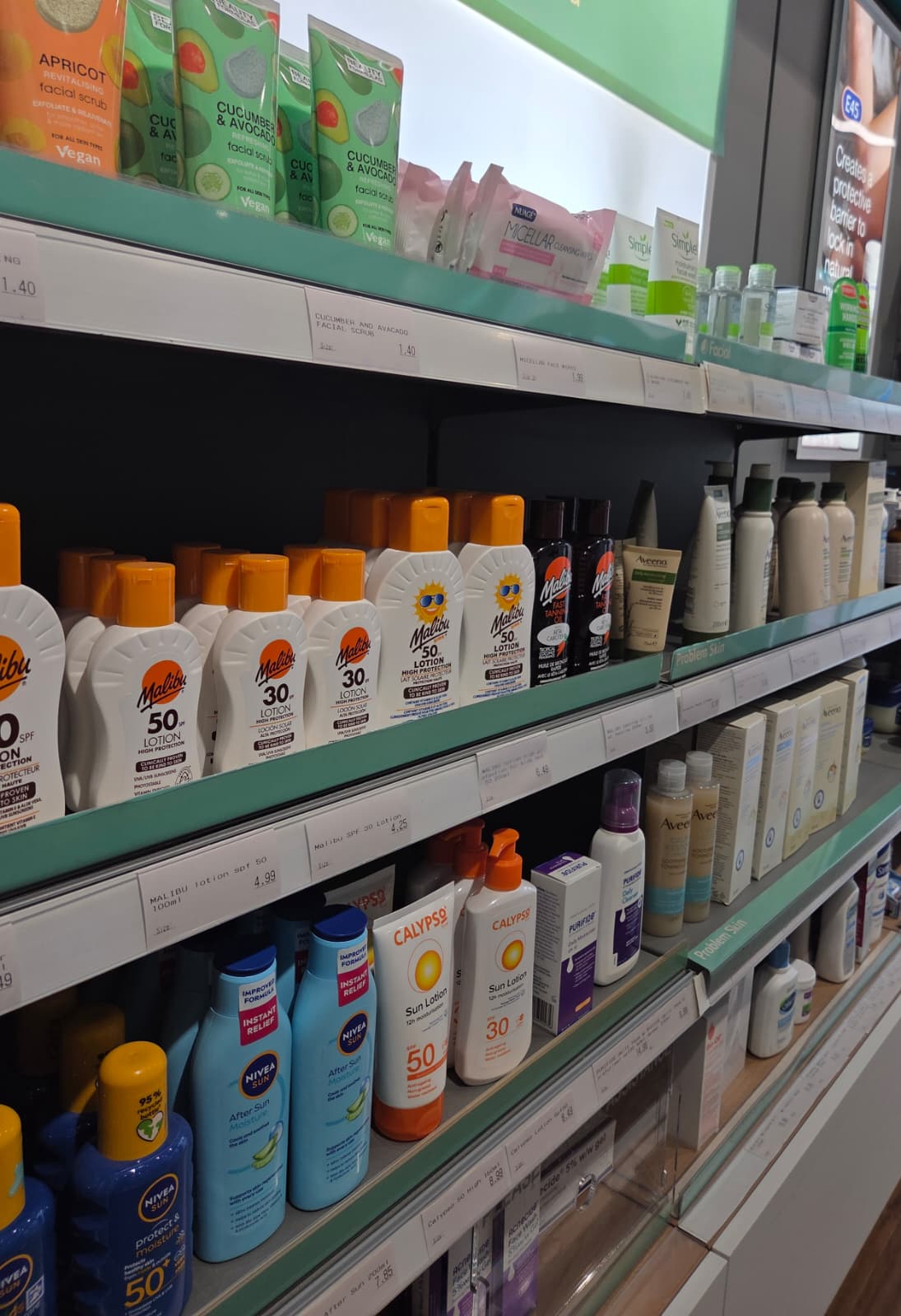
- Dress for it. Light, loose clothing, a hat, sunglasses, and SPF 30+ sunscreen reapplied through the day.
Your medicines in hot weather
This is where your pharmacy is especially worth a visit. A few things are easy to get wrong in the heat:
- Storage. Many medicines need to be kept below 25°C, and some in the fridge, so check the storage line on the packaging or leaflet. A sunny windowsill, a hot car or a glovebox is the wrong place for tablets, inhalers, insulin or creams.
- Some medicines change how you handle heat. Certain common treatments, such as some water tablets (diuretics), blood-pressure medicines and others, can affect hydration or how your body copes with high temperatures. Don't stop or change any prescribed medicine on your own. Bring it in or call us and we'll talk it through.
- Some medicines make your skin more sensitive to the sun. A number of treatments can cause you to burn far more easily in UV light. Examples include methotrexate, tetracycline antibiotics (such as doxycycline and lymecycline), some other antibiotics, certain water tablets and a few others. If you take one of these, be extra careful in strong sun: wear SPF 30+ sunscreen, cover up, and keep out of midday sun where you can. Not sure whether yours is on the list? Ask us, and don't stop taking it without advice.
- Order repeats in good time. Heatwaves often land around bank holidays. If you're running low, order your repeat prescription early so you're not caught short over a long weekend. If you nominate us for your repeats, they'll be ready and waiting when you arrive.
Pharmacist advice is free and you don't need an appointment, so if you're not sure whether the heat affects your medicines, just ask.
Heat exhaustion vs heatstroke
Knowing the difference is the most important thing in this whole article. Heat exhaustion is not usually an emergency, but if it isn't sorted, it can turn into heatstroke, which is.
Signs of heat exhaustion
Tiredness or weakness, feeling faint or dizzy, headache, muscle cramps, feeling or being sick, heavy sweating and intense thirst.
What to do: move the person somewhere cool, get them to lie down and raise their feet slightly, give cool water to sip, and cool their skin: a cool damp sponge or spray, and cold packs under the armpits or on the neck. They should start to feel better within 30 minutes. If they don't, call NHS 111.
Call 999 now if someone shows signs of heatstroke: still unwell after 30 minutes of cooling, a very high temperature, hot skin that isn't sweating, confusion or not making sense, a fast heartbeat or fast breathing, a seizure, or loss of consciousness. Heatstroke is a medical emergency. Cool them while you wait for the ambulance.
How we can help
We're a walk-in pharmacy on Church Street. Pop in or call and we can:
- Check how to store your specific medicines in the heat
- Talk through whether your regular medicines need any extra care during a hot spell
- Sort sunscreen, rehydration sachets and after-sun, and give advice on minor sunburn or prickly heat, often through our NHS minor ailments service
- Help you get a repeat prescription ordered before a long weekend
Sources: UK Health Security Agency, Beat the heat: staying safe in hot weather and Hot weather and health. This article is general information, not a substitute for advice about your own health or medicines, so ask your pharmacist, GP or NHS 111.
← Back to the blog